

Unveiling Process Analysis: A Deep Dive into Business Process Analysis:
In today’s fast-paced business environment, organizations strive to enhance efficiency, reduce costs, and optimize operations. At the heart of these efforts lies Process Analysis, a systematic approach to examining business processes to identify inefficiencies, bottlenecks, and opportunities for improvement.
Process Analysis is a fundamental step in Business Process Management (BPM) and plays a critical role in fostering continuous improvement and operational excellence. It involves both qualitative and quantitative techniques that allow businesses to dissect their workflows and enhance productivity.
In this article, we will explore key methodologies used in Process Analysis, including Value-Added Analysis, Root Cause Analysis, and Flow Analysis. These techniques provide valuable insights into business operations and serve as essential tools for decision-makers aiming to streamline their processes.
The Importance of Process Analysis
Organizations operate through a network of interdependent processes, each contributing to the delivery of goods and services. Without a clear understanding of these processes, inefficiencies may go unnoticed, leading to wasted resources, delays, and customer dissatisfaction.
Process Analysis helps organizations by:
- Identifying non-value-adding activities
- Reducing waste and inefficiencies
- Enhancing customer experience
- Improving decision-making through data-driven insights
- Increasing operational transparency
- Supporting continuous process improvement initiatives
By leveraging structured methodologies, companies can ensure that their processes are agile, scalable, and aligned with business objectives.
Key Methods of Process Analysis
1. Value-Added Analysis (VAA)
Definition: Value-Added Analysis is a method used to differentiate activities within a process based on the value they contribute to the final output. It categorizes tasks into three types:
- Value-Adding Activities (VA): Tasks that directly contribute to customer satisfaction or product/service enhancement.
- Non-Value-Adding Activities (NVA): Tasks that consume resources but do not contribute to the final outcome (e.g., waiting times, unnecessary approvals).
- Business-Value-Adding Activities (BVA): Tasks required for business operations but do not directly add customer value (e.g., compliance-related processes).
How It Helps:
- Identifies unnecessary steps that increase costs.
- Helps in eliminating or reducing waste (Lean methodology application).
- Enhances customer-centric operations by prioritizing value-driven activities.
Example: Consider a manufacturing process where parts are inspected multiple times. If some inspections are redundant, eliminating them can reduce costs and improve efficiency without compromising quality.
2. Root Cause Analysis (RCA)
Definition: Root Cause Analysis is a qualitative technique that identifies the fundamental causes of process inefficiencies, errors, or failures. Instead of addressing symptoms, RCA aims to uncover the core issues that lead to recurring problems.
Common RCA Techniques:
- The 5 Whys: Asking “why” multiple times to reach the root cause.
- Fishbone Diagram (Ishikawa): Categorizing potential causes under major headings (e.g., People, Process, Equipment, Materials, Environment).
- Failure Mode and Effects Analysis (FMEA): Systematically evaluating potential failures and their impacts.
How It Helps:
- Prevents problems from recurring by addressing root causes.
- Enhances reliability and efficiency in business processes.
- Reduces costly operational disruptions.
Example: A bank experiences frequent delays in loan processing. Through RCA, they discover that approvals take too long due to excessive paperwork requirements. By digitizing forms, they significantly reduce processing time.
3. Flow Analysis
Definition: Flow Analysis is a quantitative technique that evaluates the movement of work through a process. It helps identify bottlenecks, inefficiencies, and cycle times, leading to better workflow management.
Key Components of Flow Analysis:
- Process Flow Diagrams: Visual representation of workflows.
- Cycle Time Analysis: Measuring the time taken to complete a task.
- Bottleneck Identification: Pinpointing areas where work gets delayed.
How It Helps:
- Improves process efficiency by optimizing resource allocation.
- Reduces cycle times, leading to faster service delivery.
- Enhances visibility into process performance.
Example: A call center analyzes customer service response times. Flow Analysis reveals that ticket escalation delays are due to inefficient queue management. By redistributing workload among agents, response times improve.
Combining Process Analysis Techniques for Maximum Impact
While each method offers unique benefits, combining qualitative and quantitative techniques provides a holistic view of process performance. A structured approach to Process Analysis typically includes:
- Mapping the process: Creating visual workflows.
- Applying Value-Added Analysis: Identifying waste and inefficiencies.
- Conducting Root Cause Analysis: Addressing the underlying causes of problems.
- Performing Flow Analysis: Measuring process performance and optimizing flow.
This integrated approach ensures that organizations not only eliminate waste but also implement sustainable improvements that drive long-term success.
Conclusion
Process Analysis is an essential tool for businesses seeking to optimize their operations. By leveraging Value-Added Analysis, Root Cause Analysis, and Flow Analysis, organizations can identify inefficiencies, streamline workflows, and enhance productivity.
Continuous improvement is the key to business success, and structured Process Analysis ensures that companies remain agile and competitive. Whether you are looking to enhance customer experience, reduce costs, or improve efficiency, implementing these techniques can help you unlock the full potential of your business processes.
For a more in-depth discussion, watch our YouTube video on Process Analysis: Watch Here.
Stay tuned for more insights into Business Process Management!
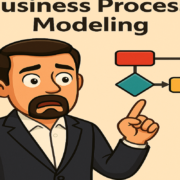


 freepick.com


I like reading a post that can make men and
women think. Also, many thanks for allowing for me to comment!
https://shorturl.fm/i0ksK
I was skeptical at first but the withdrawal was processed way faster than I expected. Really trustworthy platform at idsenja128.
Finally found a site that doesn’t lag during peak hours. The user experience is top notch and very intuitive. Give krwinzcasino a go
This site has a great vibe and the rewards are actually fair. I have tried a few others but this one feels more honest. Cheers to the team at bd8999bd for the great service.